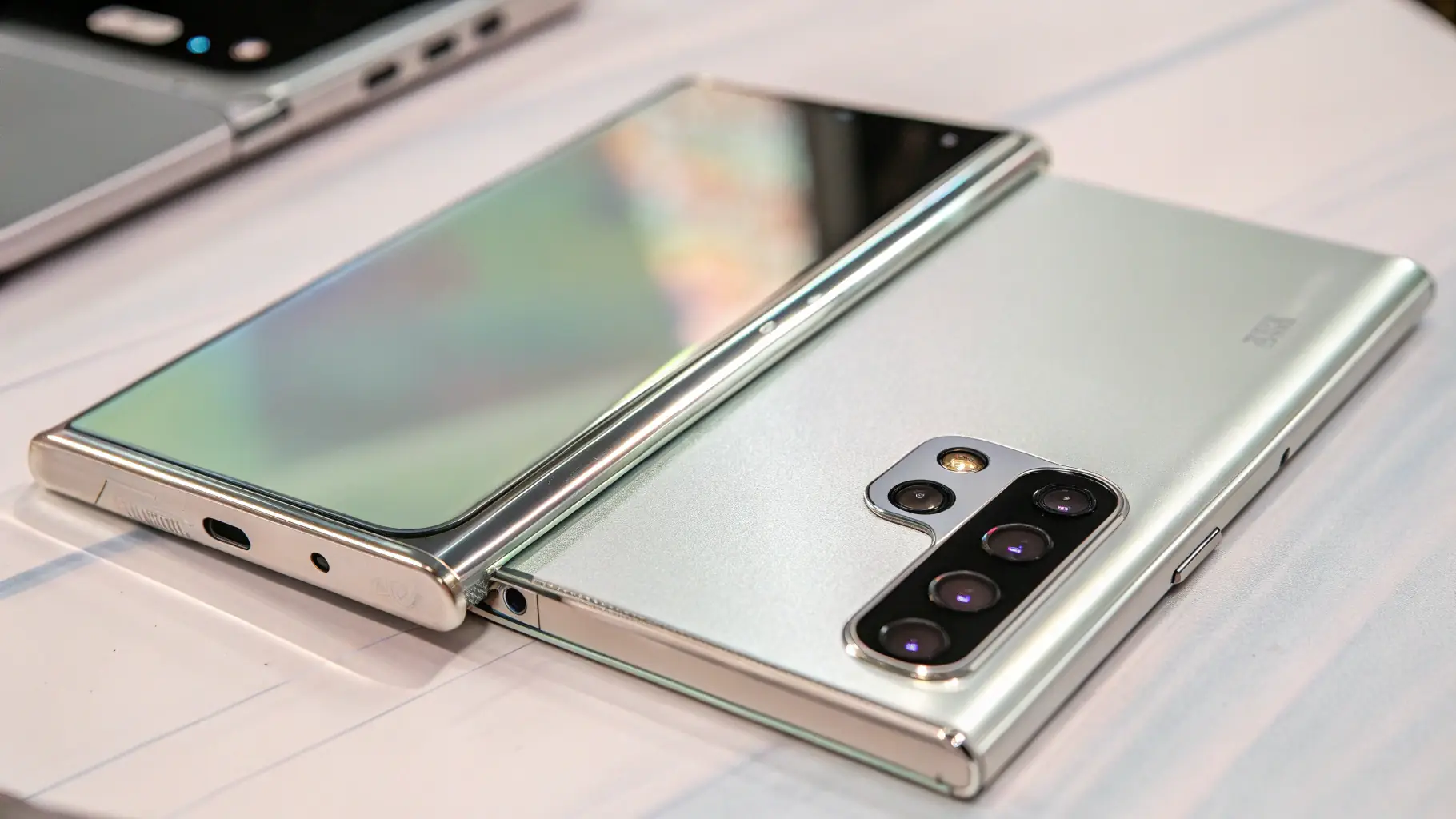
Foldable phones represent a significant leap in mobile technology, offering users a blend of smartphone portability and tablet-sized screen real estate. These devices are pushing the boundaries of what’s possible, with manufacturers constantly refining hinge designs, display durability, and software optimization. The evolution of foldable phones is not just about larger screens; it’s about creating new user experiences and unlocking new possibilities for productivity and entertainment. As the technology matures, we can expect to see even more innovative designs and functionalities emerge.
The challenges in creating foldable phones are considerable, ranging from engineering robust hinges to developing flexible displays that can withstand repeated bending. Battery life, software optimization, and cost are also key factors that manufacturers must address. Despite these challenges, the potential rewards are immense, as foldable phones offer a unique value proposition that appeals to a growing segment of consumers. The future of foldable phones hinges on overcoming these hurdles and delivering a seamless, reliable, and affordable user experience.
Looking ahead, the future of foldable phones is bright, with ongoing research and development focused on improving durability, reducing costs, and enhancing functionality. We can anticipate advancements in display technology, such as self-healing screens and more energy-efficient panels. Software optimization will also play a crucial role, with developers creating apps and interfaces that take full advantage of the foldable form factor. As foldable phones become more mainstream, they are poised to revolutionize the way we interact with our mobile devices.